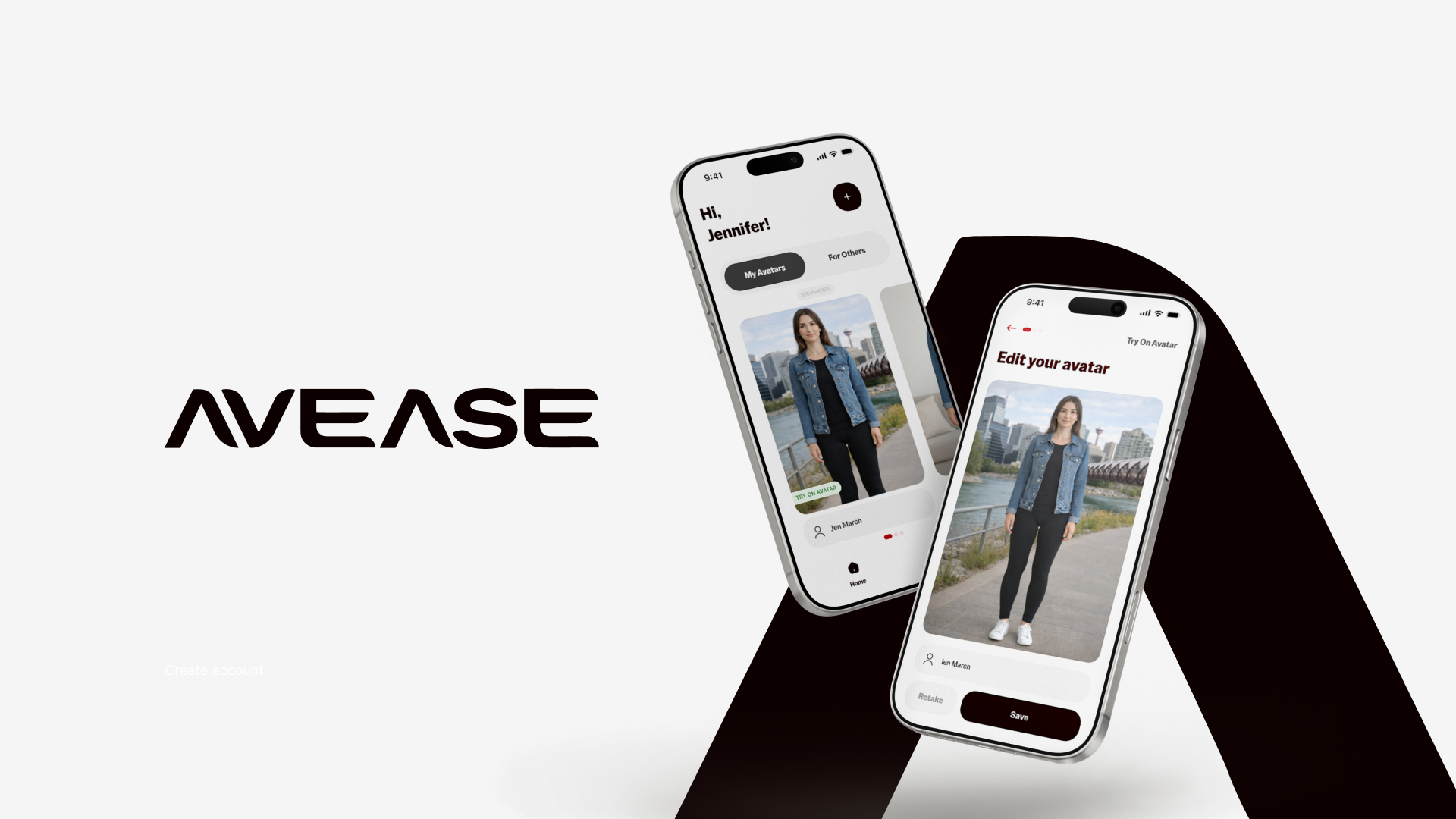
An app to bring confidence back to the fitting room.
An AI-powered avatar flow that reduces returns in online fashion and gives margin back to brands.


The scenario that justified the product.
Avease was born to solve a quiet, expensive problem in online fashion: size uncertainty.
When shoppers aren't sure if something will fit, they order two sizes, return one, or worse, give up before checkout. Every return costs reverse logistics, restocking, CAC, and brand loyalty.
$849.9B in global returns per year (≈15.8% of fashion sales)
22% average return rate in online fashion
53% of those returns happen due to fit uncertainty
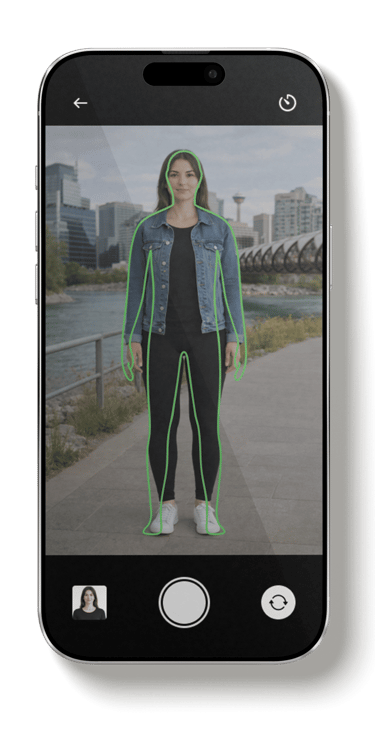
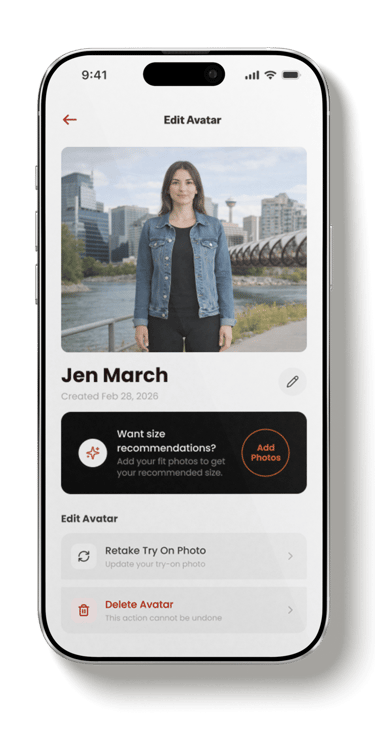
Fit Confidence in 3 Steps
If shoppers can see how a piece fits on their own body in seconds, uncertainty becomes confidence. And confidence converts."
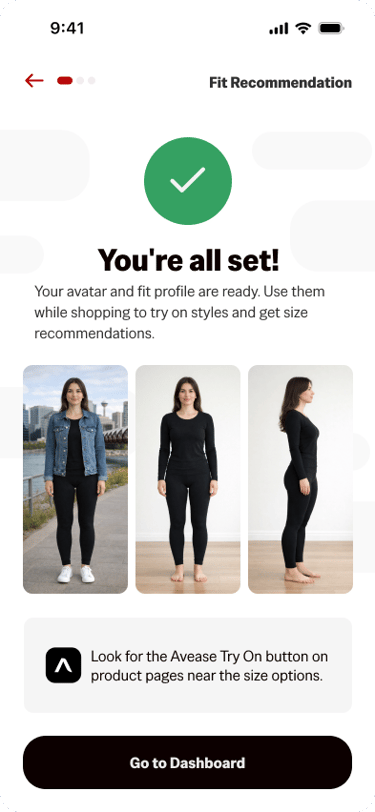
Two photos generate an avatar with real measurements. The shopper sees how the piece fits on their body. They get a size recommendation right on the product page.
Simple to describe. Hard to do well.
Error
The V1 looked elegant in Figma. It wasn't, in real use.
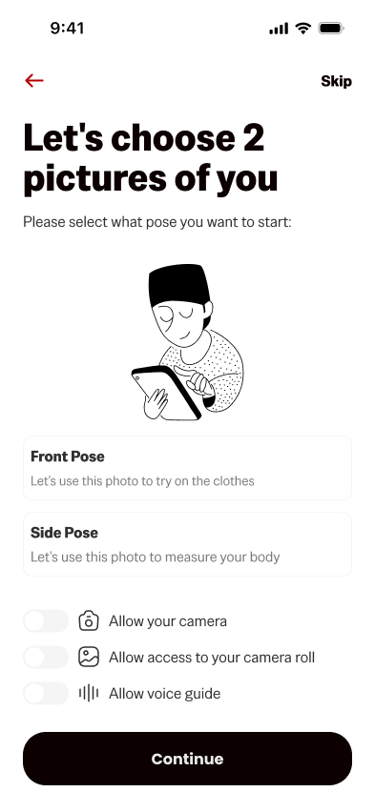
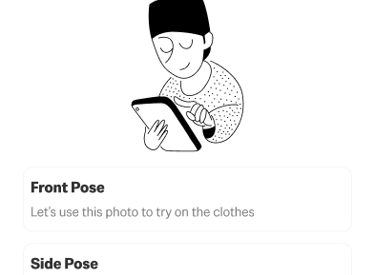
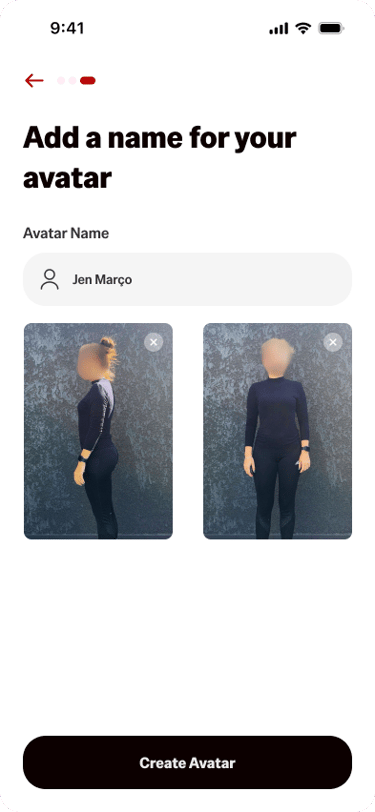
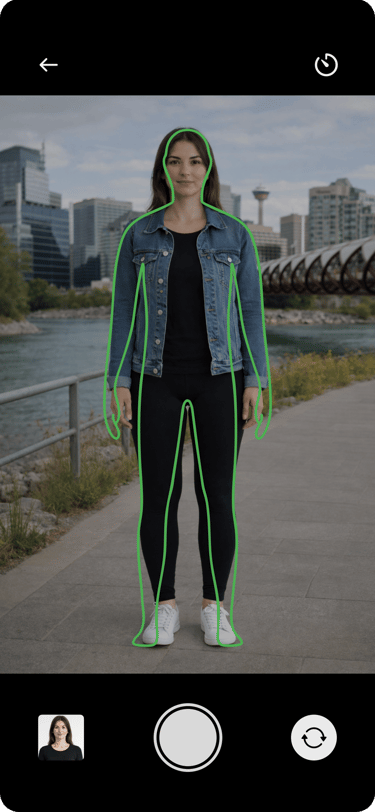
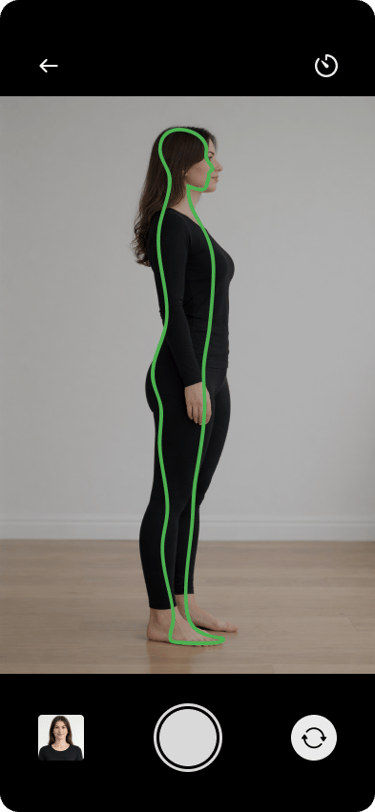
The first version had a single flow: every user had to take two technical photos, front and side, neutral background, fitted clothing, before anything else. It seemed coherent. It wasn't.
We saw a high drop-off rate on the very first screen. Users who just wanted to visually try on a piece gave up before reaching try-on. The friction of the technical setup was punishing the casual use case.
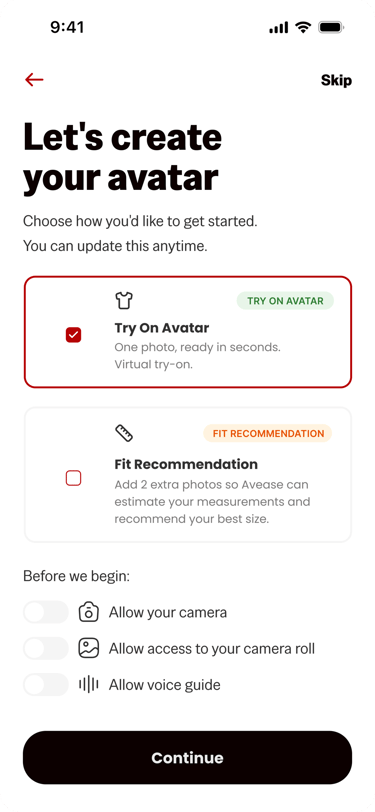
I had mixed two jobs into one flow. "I want to see how it looks on me" is different from "I want a size recommendation." Treating them as the same thing forced maximum friction on everyone, including those who didn't even need it.
The Fix
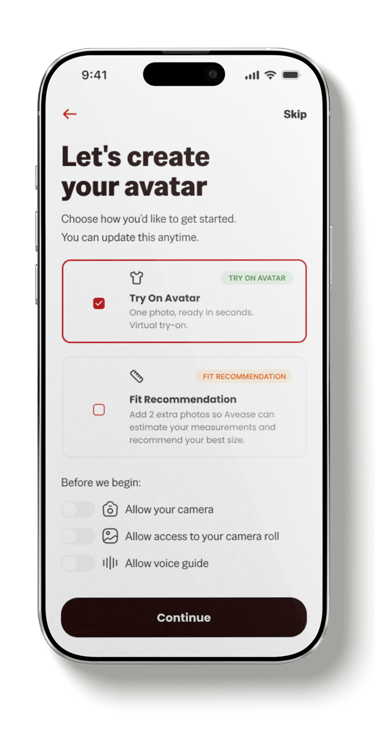
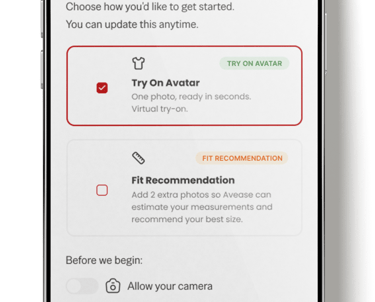
Try On Avatar
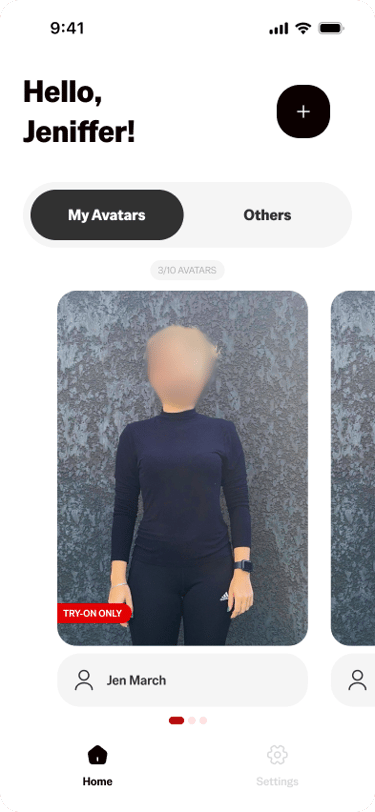
1 casual photo (any clothing, any background). Low friction, immediate value. For those who just want to try things on visually.
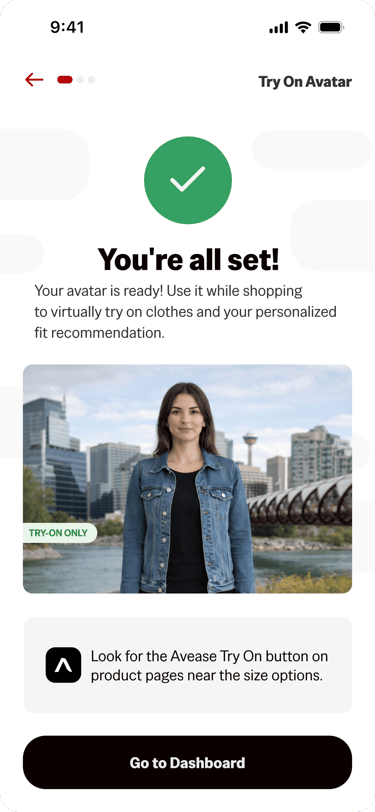
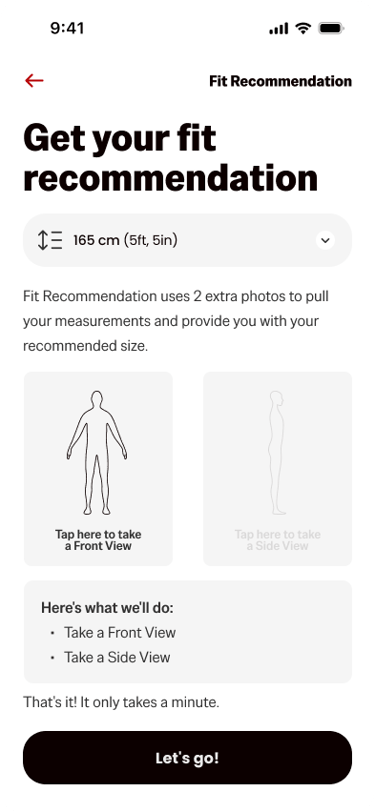
Fit Recommendation
2 optional technical photos (front + side). High friction, deep value. For those who'll accept the setup in exchange for an accurate size recommendation.
The user chooses on the first tap. Those who want speed get speed. Those who want depth understand why it's worth it.
Learnings
"Progressive Friction" Framework: Separating paths by level of commitment became a pattern I now apply to any onboarding with multiple jobs.
On design partners, Co-creating with the same six users speeds things up, but creates blind spots. The best insights came from testing with people who had never seen the app before.
Design connects both sides. The fit insights that show up in the B2B dashboard are exactly the points where the shopper hesitated in the app. One design informs the other.